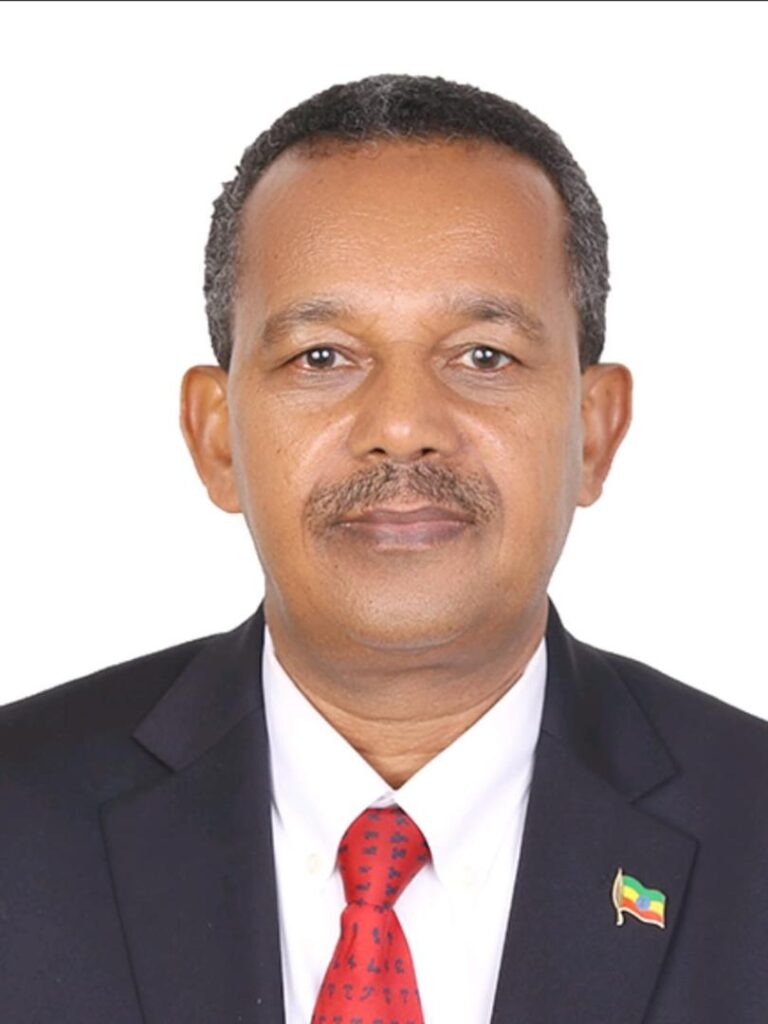
Ethiopia's ambassador to Nigeria has urged African leaders to strengthen democratic institutions and broaden citizen participation in governance. Legesse Haile made the call while discussing lessons from his country's recent elections.
He spoke during a meeting with the News Agency of Nigeria in Abuja. The ambassador reflected on Ethiopia's Seventh National Election held on June 1, 2026.
Haile described the poll as a watershed moment for Ethiopian democracy. He called it a major step forward for the entire African continent.
Millions of Ethiopians voted to shape their nation's future peacefully. They did this despite serious political and economic challenges facing the country.
Ethiopia holds special significance in African history, the envoy noted. With over 130 million people, it remains one of Africa's oldest independent states.
The nation also hosts the African Union headquarters in Addis Ababa. As a founding member, Ethiopia carries immense regional weight, according to Haile.
"As a founding member and host of the African Union headquarters, and a long-standing symbol of African independence, Ethiopia carries immense regional and continental significance," he said.
Democratic governance remains central to Ethiopia's vision despite economic pressures. The government has pushed through sustained institutional reforms, he explained.
Haile highlighted the Homegrown Economic Reform Programme's growing impact. It's driving urban development, expanding infrastructure, and boosting agricultural output across the country.
Strategic investments are creating jobs and improving living standards. These economic efforts complement the nation's democratic strengthening, the ambassador noted.
Elections serve a purpose beyond simply choosing leaders, Haile argued. They allow citizens to evaluate government performance and demand accountability.
Ethiopia's recent election succeeded because of strong voter turnout and modern systems. Better electoral administration and updated legal frameworks also helped, he said.
A key innovation was "Mirchaye"—meaning "My Choice" in Amharic. This homegrown digital platform transformed how Ethiopians register to vote.
Over five million eligible voters registered electronically using national identity cards. Nearly 49 million others completed registration manually through a hybrid system.
Political parties and candidates also registered digitally for the first time. Nearly 7,000 polling centres were mapped using Geographic Information System technology.
The technology improved logistics, transparency, and election planning nationwide. It represented a significant leap in electoral administration, Haile emphasized.
Almost 195,000 election officials were deployed across the country. They managed nearly 52,000 polling units spread throughout 501 constituencies.
The scale of the operation demonstrated Ethiopia's commitment to inclusive democracy. Haile believes other African nations can learn from this experience.