
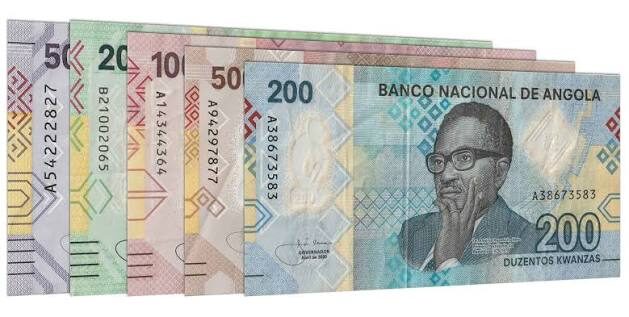
Southern Africa has moved closer to unified financial markets by welcoming the Angolan kwanza into its regional payments network. The Southern African Development Community's real-time gross settlement system formally embraced the kwanza on Monday, becoming the first new settlement currency to join since the platform launched in 2013.
The South African Reserve Bank operates the system, which handled roughly $3.77 billion in regional trade and interbank transactions during 2025. Adding the kwanza promises to slash cross-border payment costs and accelerate settlement times across the bloc.
Businesses and banks can now conduct more transactions directly using regional currencies instead of expensive correspondent banking networks. This shift directly supports the African Continental Free Trade Area's push to boost intra-African trade by removing one of its steepest obstacles—the price and complexity of moving money across borders.
Arif Ismail, head of the National Payment System Department at the South African Reserve Bank, told reporters in Pretoria that the bank intends to add more currencies over time. He noted that Botswana's pula and Mozambique's metical are being considered for inclusion.
Lesetja Kganyago, governor of the South African Reserve Bank, hailed the kwanza's entry as a landmark achievement for the region's financial ties. "The introduction of the Angolan kwanza demonstrates regional integration in action," he said during a joint briefing alongside Banco Nacional de Angola governor Manuel Tiago Dias.
According to Kganyago, the move "strengthens regional financial connectivity and shows that Africa can build sophisticated financial market infrastructure that responds to African priorities." The SADC-RTGS system was created in 2013 to enable instant settlement of cross-border transactions among member states, displacing the pricier correspondent banking model that previously dominated regional payments.
The platform now links central banks across 15 member states and involves 89 participating banks in the region. This infrastructure allows financial institutions and businesses to settle transactions more efficiently and encourages greater reliance on local currencies in regional commerce.
South Africa dominated payment flows, accounting for nearly $2.99 billion of the $3.77 billion in total transactions across nine currencies in 2025. This represented roughly 60 percent of payment volumes and 79 percent of transaction value, underscoring the country's dominant position in regional trade.
The payment reforms align with South Africa's priorities during its G20 presidency, where improving cross-border payments ranks as a key focus of global financial reform. Kganyago stressed that achieving this goal demands greater compatibility between payment systems and tighter regulatory coordination across sub-Saharan Africa.
The SADC platform sits alongside other modernisation efforts, including the Pan-African Payment and Settlement System and the AfCFTA Protocol on Digital Trade. Together, these initiatives reflect a determined push by African leaders to strengthen the continent's financial infrastructure.


