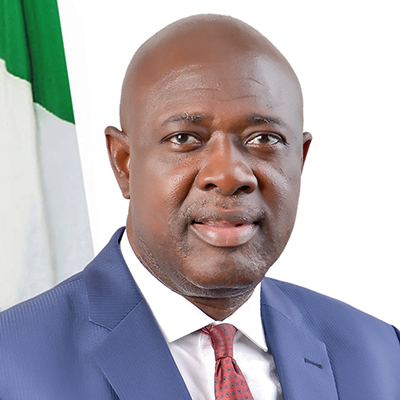
The Federal Government on Monday pressed petroleum marketers to slash petrol prices, arguing that tumbling international crude oil costs must translate into lower pump prices nationwide. Senator Heineken Lokpobiri, minister of state for petroleum resources, made this push at a stakeholders' meeting on cost-reflective petrol pricing in Abuja.
Lokpobiri stressed that deregulation doesn't shield companies from scrutiny over excessive profiteering. "The Petroleum Industry Act places responsibility on the regulator to ensure that steps are taken to prevent unnecessary profiteering," he told the gathering.
Representatives from major industry groups attended, including Dangote Refinery, the Major Energy Marketers Association of Nigeria, the Independent Petroleum Marketers Association of Nigeria, and several other retail and transport operators. The meeting sought to build consensus rather than impose regulatory measures.
The minister highlighted the stark shift in global oil markets. Brent crude had peaked at $118 per barrel but has since fallen below $70, he noted, arguing there's no valid reason for retailers to maintain elevated domestic prices.
According to Lokpobiri, the government raised no objections when petrol prices climbed alongside rising crude costs under Nigeria's fully deregulated market. "But when prices fall internationally, there is now no justification for maintaining high pump prices," he said.
He emphasised that energy costs ripple across the entire economy, affecting transportation, manufacturing and household expenses. The administration wants to shield ordinary Nigerians from inflated fuel costs while respecting investor interests.
"The government is committed to protecting the interests of stakeholders, but it is equally committed to protecting the interests of the common man because everybody is affected one way or another," Lokpobiri added.
The meeting aimed to forge agreement on a framework for price reductions aligned with current market conditions, avoiding heavy-handed enforcement. Lokpobiri explained that dialogue would help "lower, if possible, the price of PMS" across the country.
Mallam Rabiu Umar, chief executive of the Nigerian Midstream and Downstream Petroleum Regulatory Authority, said the disconnect between falling international crude prices and steady domestic retail costs made stakeholder engagement essential. He pointed to recent success in the liquefied petroleum gas market, where similar consultations between regulators and operators had yielded concrete results.
The regulator suggested that constructive dialogue between government agencies and market players could replicate those gains in the petrol sector. Previous stakeholder meetings on LPG pricing demonstrated the potential for collaborative problem-solving.
The government maintains its commitment to the deregulation framework while balancing competing demands. Officials want to ensure fuel remains affordable and accessible without undermining the commercial viability of refineries and marketers operating across Nigeria's petroleum value chain.