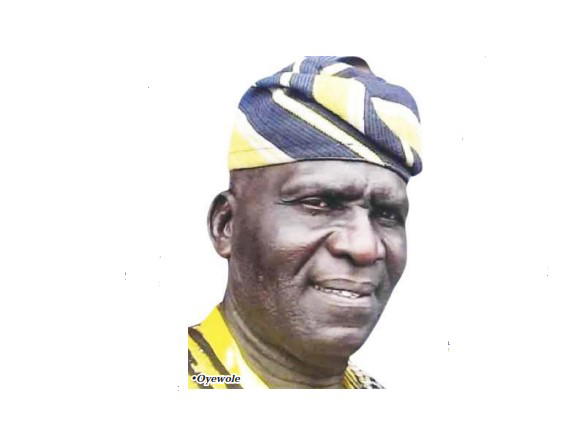

Henry Egbe Ayuk, the health commissioner in Cross River State, says the sector has transformed dramatically over the past three years under Governor Bassey Edet Otu's administration. Speaking in an interview, he outlined sweeping changes across funding, staffing and infrastructure.
The most visible shift has been in budget allocation. When the governor took office, health received less than five percent of the state's total budget, well below the national target of 15 percent.
"Today, as I speak to you the allocation has risen to over 10 percent," Ayuk told reporters, though he acknowledged the state hasn't yet reached the national benchmark.
Budget execution has improved even more dramatically. The health sector's budget performance stood at just one to two percent when the administration began, he explained.
"Today, it has escalated to 38 percent," the commissioner said, adding that reaching 40 to 50 percent would represent solid progress for a state without oil revenue streams.
The staffing situation presented an even starker challenge. Ayuk found an embattled workforce when he arrived, with no new health workers hired for over a decade.
The governor injected more than 2,000 health professionals into the system, including doctors, nurses and pharmacists, he revealed.
Retaining staff proved equally critical. Ayuk noted that salary disparities between state and federal workers had made the civil service uncompetitive.
Governor Otu adopted the nationally-recognised consolidated salary structure for doctors and implemented it fully.
The results have been striking. "As I speak with you today, it is more profitable to stay in the state civil service than at the teaching hospital," Ayuk said, comparing compensation levels at the state tier.
The governor also raised allowances and base salaries for all other health workers by 15 percent.
Beyond recruitment and pay, the administration has built a legal framework for sustainable healthcare delivery. This included passing specific health programmes into law to ensure continuity and accountability.
Ayuk's comments reveal a health sector undergoing fundamental restructuring. The improvements in funding, staffing levels and worker compensation suggest the state is attempting to build a more resilient healthcare system.
Yet challenges remain. Cross River's 10 percent health budget allocation still falls short of the 15 percent national standard.
Budget execution at 38 percent, while dramatically improved, indicates funds aren't flowing as quickly as planned to health facilities.
The commissioner's remarks also hint at broader fiscal constraints facing the state. He acknowledged Cross River's struggle with dwindling oil revenues and reduced federal allocations, suggesting future improvements depend partly on factors beyond state control.
Still, the trajectory appears clear. By recruiting thousands of workers, raising their pay and increasing budget commitments, the state has signalled serious intent to rebuild its health infrastructure and reverse years of neglect.